
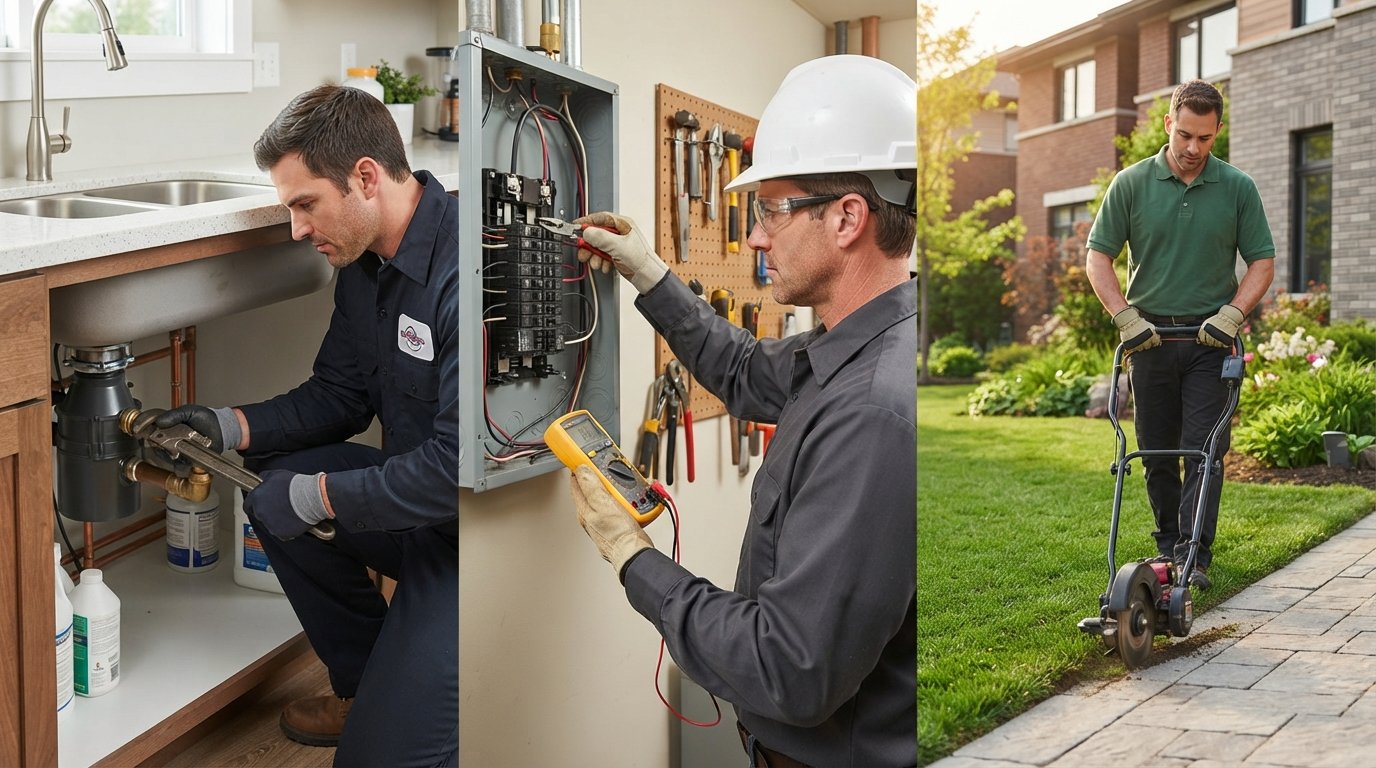
Seasonal Lead Campaigns for Plumbing, Electrical, and Landscaping
Master plumbing electrical and landscaping seasonal lead campaigns with monthly demand curves and call filtering tips. Call (510)-663-7016 to optimize your strategy.

When most home improvement marketers talk about seasonality, the conversation rarely moves past HVAC and roofing. That narrow focus leaves a significant amount of revenue on the table. Plumbing, electrical, and landscaping each follow their own demand curves, and the advertisers who understand those curves generate high-intent leads at a lower cost while competitors scramble during peak months. For performance marketers running plumbing electrical and landscaping seasonal lead campaigns, the goal is not simply to survive the slow season but to build a year-round acquisition engine that smooths out revenue swings and keeps response times sharp when call volume spikes.
Seasonal demand is not a single wave. It is a series of overlapping waves, each driven by weather, home age, tax refund timing, and local events. Plumbing surges during the first cold snap and again during spring thaw. Electrical demand climbs in summer as homeowners upgrade panels for air conditioning and again in fall when heating systems and holiday lighting push circuits to their limits. Landscaping explodes in spring, softens in midsummer heat, and rebounds in early fall for overseeding and cleanup. Treating these categories as one undifferentiated home improvement bucket guarantees wasted spend. The playbook below breaks down monthly demand, creative timing, call handling during overflow, and publisher traffic mix so you can build campaigns that perform in every season.
Monthly Demand Curves for Plumbing, Electrical, and Landscaping Leads
Plumbing demand is often described as need-based, but that does not mean it is flat. Emergency calls for burst pipes and frozen lines peak from December through February in cold-weather markets. In warmer states, the peak shifts to summer when irrigation systems fail and slab leaks surface under heat stress. Across most of the country, plumbing lead volume rises sharply in March and April as homeowners address winter damage and schedule preventative maintenance before the spring rush. A secondary bump appears in September and October when homeowners winterize outdoor lines and replace aging water heaters before the holidays.
Electrical lead demand follows a different rhythm. Spring and early summer bring panel upgrades, EV charger installations, and outdoor lighting projects as homeowners prepare for air conditioning season and outdoor entertaining. July and August see a spike in emergency calls for tripped breakers and overloaded circuits during heat waves. Fall and early winter generate demand for generator installs, heating system wiring, and holiday lighting, with a notable uptick in commercial electrical work as businesses prepare for year-end. The quietest stretch for residential electrical leads is typically late January through February, though this varies by region and by how aggressively utilities and manufacturers run rebate programs.
Landscaping is the most weather-sensitive of the three. In most markets, lead volume begins climbing in late February as homeowners plan spring projects, peaks from April through June for design and installation work, and then softens in July and August when heat suppresses both homeowner activity and crew availability. A second, smaller peak arrives in September and October for fall cleanup, aeration, overseeding, and lighting installation. Winter is nearly dead for new installation leads in cold climates, but maintenance contracts, snow removal, and hardscaping planning keep some volume alive. In Sun Belt markets, the curve flattens, with landscaping demand spread more evenly and a peak during the cooler winter months when outdoor work is most comfortable.
Mapping these curves month by month is the foundation of any seasonal campaign. Pull your own historical data and overlay it with weather patterns and local events. A plumbing advertiser in Minneapolis should not budget the same in January as a plumbing advertiser in Phoenix. The same logic applies to electrical and landscaping. Once you have a clear picture of your own demand curve, you can set monthly budgets, adjust bids, and time creative launches to match actual homeowner intent rather than assumed seasonality.
Matching Creative and Offer Timing to Local Weather Patterns
Weather is the single most powerful trigger for home services demand, and it operates at a hyperlocal level. A cold front moving through Dallas creates a plumbing and heating emergency window that lasts three to five days. A week of rain in Portland delays landscaping projects and shifts homeowner attention to indoor electrical upgrades. The advertisers who win are the ones who align creative and offers with these local triggers rather than running the same national campaign everywhere.
Start by building weather-triggered creative rotations. For plumbing, have a frozen pipe emergency creative ready to deploy when temperatures drop below freezing in your target markets. Pair it with an offer that reduces friction, such as a waived dispatch fee or a free camera inspection with any drain cleaning. For electrical, run panel upgrade and generator creatives during storm season and heat wave advisories. For landscaping, promote spring cleanup and irrigation start-up offers when the last frost date passes, and switch to fall aeration and overseeding when temperatures begin to drop in September.
Offer timing matters as much as creative timing. Homeowners are more likely to respond to urgency-based offers during emergency windows and more likely to respond to value-based offers during planned project windows. A plumbing advertiser running a $50 off drain cleaning offer in July may see modest response, but the same offer during a heat wave when irrigation lines are failing will convert at a much higher rate. Similarly, a landscaping company promoting a spring design package in February can capture early planners before competitors flood the market in April.
Localize beyond weather. Tax refund season, utility rebate programs, and municipal incentives all influence timing. Electrical panel upgrades and EV charger installations often spike when utilities announce rebates. Landscaping demand can shift when local water restrictions are announced or lifted. Plumbing demand may rise when a city announces a sewer line inspection program. Build a calendar that layers weather triggers, local events, and promotional windows so your creative is always relevant to the homeowner's immediate context.
Call Filtering During Peak Overflows to Protect Response Times
Peak season creates a paradox. Lead volume rises, but so does the risk of poor lead quality and slow response times. When plumbing calls flood in during a cold snap, understaffed call centers put callers on hold, and those callers dial the next advertiser on the list. The result is wasted spend on leads that never convert because the response was too slow or the call was mishandled. Call filtering is the tool that protects response times and lead quality during these overflow periods.
AstoriaLeads offers call filtering features that let advertisers control which calls reach their agents. You can set IVR prompts to route emergency calls to an after-hours team, define operating hours so calls outside your service window are filtered or routed to voicemail with a callback offer, and use geo-targeting rules to ensure you only pay for calls from serviceable areas. During peak overflows, these controls prevent your team from being buried in low-value calls while high-value emergencies wait in queue. You can also set call quality pricing based on duration, so short hang-ups or wrong numbers do not count against your budget.
Response time is a conversion lever, not just a customer service metric. Studies consistently show that contacting a lead within five minutes dramatically increases conversion rates compared to waiting even fifteen minutes. During peak season, when your team is stretched thin, call filtering ensures the calls that do get through are the ones most likely to convert. Pair filtering with dynamic number assignment and real-time call tracking so you can see exactly where overflow is occurring and adjust staffing or routing rules on the fly. If you want to see how other home improvement categories handle seasonality, our guide on HVAC and roofing seasonality in home improvement lead campaigns offers a useful comparison for building a year-round calendar.
For advertisers running pay per call campaigns, call filtering is not optional during peak season. It is the difference between a campaign that scales profitably and one that burns budget on unqualified calls. Set up your filters before the season starts, test them during low-volume periods, and review call recordings regularly to refine your rules. The goal is to make it easy for high-intent callers to reach a live agent while filtering out noise that would otherwise slow down your team.
Publisher Traffic Mix Shifts to Cover Off-Season Dips
Publishers and network owners face the mirror image of the advertiser's seasonal challenge. When plumbing, electrical, and landscaping demand drops in the off-season, publishers need to shift their traffic mix to maintain revenue. The most successful publishers build a portfolio approach, rotating offers and traffic sources to match seasonal demand across multiple verticals.
During plumbing and landscaping peak months, publishers should maximize placement of those offers across search, social, and content traffic. When demand softens, shift budget and placement toward electrical offers, which often have a longer consideration cycle and steadier year-round demand, or toward adjacent verticals like home warranty, solar, or insurance that may be less weather-sensitive. AstoriaLeads gives publishers access to exclusive offers across multiple home improvement verticals, along with call tracking and real-time analytics to see which offers are converting in each season.
Traffic source diversification is equally important. A publisher relying solely on paid search for landscaping leads will see volume collapse in winter. By layering in organic content, email, and social traffic, publishers can maintain reach even when paid search costs rise during peak season. AstoriaLeads supports online integration that tracks both clicks and calls, so publishers can attribute performance accurately across sources and make data-driven decisions about where to invest next.
Off-season is also the time to test. Use slower months to experiment with new creative, new landing pages, and new offers. The insights you gather in February can inform your spring campaign strategy and give you a head start on competitors who only think about seasonality when demand is already high. For a broader look at how performance marketing platforms support this kind of testing and optimization, visit LeadGenerationPlatform to see how ping and post distribution, pay per call, and phone verified leads work together.
Building a Year-Round Seasonal Campaign Framework
Putting it all together requires a framework that connects demand forecasting, creative timing, call handling, and publisher strategy. Start with a monthly demand map for each category in each target market. Overlay weather triggers and local events. Then build a creative calendar that matches offers to those triggers. Set up call filtering rules before peak season and review them weekly. Finally, work with publishers to ensure your offers are visible when demand is high and your budget is protected when demand is low.
Measure everything. Track cost per lead, cost per call, conversion rate, and response time by month and by market. Use that data to refine your demand map for the following year. Seasonal campaigns improve with each cycle because you learn which triggers actually move volume and which offers convert. AstoriaLeads provides ROI tracking and reporting tools that let you see performance by keyword, campaign, device, and traffic source, so you can make adjustments in real time rather than waiting until the season is over.
Plumbing electrical and landscaping seasonal lead campaigns reward advertisers and publishers who plan ahead and stay flexible. The demand curves are predictable enough to forecast but variable enough to require constant adjustment. By matching creative and offers to local weather, protecting response times with call filtering, and diversifying traffic mix through the off-season, you can turn seasonality from a liability into a competitive advantage. Build your calendar, test your filters, and keep your offers aligned with homeowner intent, and you will generate high-quality leads in every month of the year.